Gifts for the Nurse in Your Life
Nurses can spot a useless gift from across the unit — they've received enough mugs. This list is built around what actually survives a twelve-hour shift: gear they'll wear, tools they'll clip to a badge, and comfort they'll feel at hour eleven. Every pick is compared across stores so you get the best price.
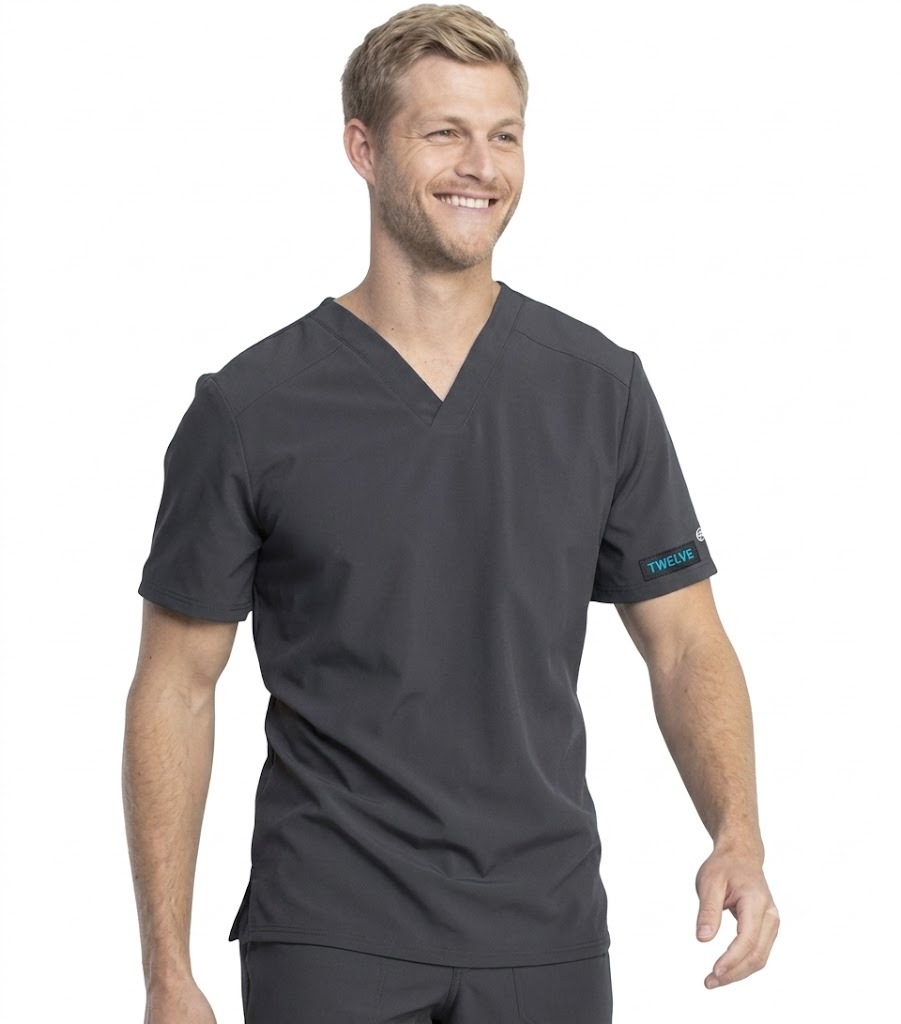
Who this guide is for
You are buying for a nurse who works real shifts, not the cartoon version on a greeting card. Maybe it is your partner coming off a run of nights, your daughter finishing her first year on a med-surg floor, or the coworker you drew in the unit gift exchange. If you want something that survives twelve hours on their feet instead of another mug that says nurses call the shots, start here.
How we picked
- Ratings floor. Every pick carries a 4 star or better average with at least 500 reviews, and we weight reviews written by people who identify themselves as healthcare workers most heavily.
- Shift-proof over sentimental. We prioritized things that get used on a real twelve hour shift, which means washable, pocketable, badge-clippable and quiet. Novelty items that live in a drawer did not make it.
- Price checked weekly. Scrubs, shoes and tumblers all go on and off sale constantly, so we recheck pricing across Amazon, Target and the brands direct every week.
- The self test. We excluded anything we would not hand to a nurse we know, including several best-selling gift sets that look thoughtful in a photo and feel cheap in the hand.
How we evaluate
We are not a testing lab. We research specs, read verified purchase reviews, compare alternatives, and use products ourselves where we can. When we have not personally used something we say so.
That means this page is editorial curation, not a lab report. What we can promise is that every pick here was chosen on merit, that we read the one and two star reviews as carefully as the five star ones, and that nothing appears on this list because a brand paid for it.
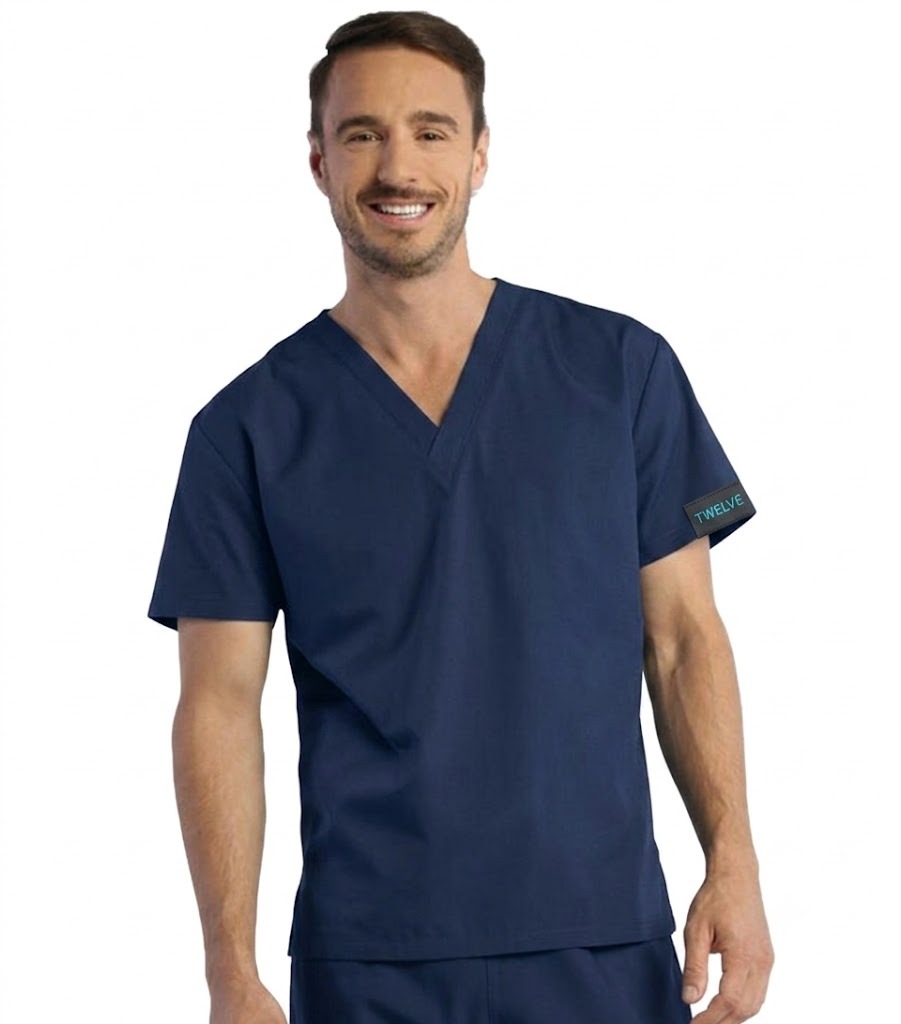
TWELVE Performance Scrubs — Drop 001 Jogger Set
The upgrade pick. Premium 4-way stretch built specifically for the 12-hour shift, sizes XS–4XL+ at one price. Founded by a vascular-access specialist who spent a decade on hospital floors.
From our network: the only scrubs designed first for extended sizes and twelve-hour shifts.
Compression Socks — Multi-Pack
Tired legs are the tax on every shift. A quality compression multi-pack is the gift they'll quietly rotate through all month.
Hoka Clifton or Bondi Sneakers
Ask any unit: these are the shoes under half the scrubs in the building. Max cushion for concrete floors, and they know exactly which colorway they want.
40oz Insulated Tumbler with Handle
Ice at 0700, still ice at 1900. The handle matters more than you think when one hand is always full.
UV Phone Sanitizer
Their phone touches everything they touch. A compact UV box on the charging station is the gift of one less thing to think about.
Mini Massage Gun
Shoulders, calves, lower back — pick a spot, it's sore. A compact massage gun under $100 earns its keep by week one.
Silk Pillowcase + Contoured Sleep Mask
Day sleepers fight the sun for a living. Total blackout plus a cool pillowcase is the closest thing to gifting actual rest.
Heavy-Duty Hand Cream Set
Sanitizer and nitrile gloves destroy skin. A working-hands cream set is unglamorous and deeply appreciated — the definition of a gift that gets it.
Coffee Gift Card
When in doubt: caffeine. Pair it with anything above and you've built the perfect nurse gift — fuel plus function.
The competition
These are the alternatives we looked at closely and left off the list, and the honest reason each one did not make the cut.
Nurse-themed novelty mugs and tumblers
Why it is not hereEvery nurse we have ever asked already owns a cabinet of them, and a mug does not solve a single problem a twelve hour shift creates.
Generic drugstore compression socks
Why it is not hereCompression only works at the right graduated pressure, and the unmarked bargain multipacks we looked at either do not state their mmHg rating or lose elasticity within a month of hot washes.
Apple Watch as a shift watch
Why it is not hereIt is a wonderful gift in general, but many units restrict smartwatches, the band is hard to sanitize properly, and the battery frequently will not survive a long shift plus the commute.
Scented lotions and bath gift sets
Why it is not hereMost clinical settings have fragrance restrictions, and hands washed forty times a shift need a heavy occlusive cream rather than a lightly perfumed lotion.
Frequently asked questions
What is the best gift for a nurse who has everything?
Something consumable or wearable that they replace often but never upgrade for themselves: premium performance scrubs, a good pair of Hokas in their size, or a genuinely nice compression sock multipack. Nurses buy these as necessities at the cheapest price available, so receiving the better version is a real treat.
What should you not give a nurse as a gift?
Skip novelty mugs, anything heavily scented, and anything that says nurses save lives on it. Also skip food gifts that need refrigeration, since break room fridge space is scarce and often communal.
What is a good gift for Nurses Week under $25?
A badge reel multipack, an engraved stethoscope ID tag or a heavy-duty hand cream set all land well under $25 and get used daily. The stethoscope tag in particular reads as personal without being sentimental.
What do nurses actually want for their feet?
Cushioned, wide-toe-box shoes with real arch support, which in practice means Hoka Clifton or Bondi, plus graduated compression socks rated 15 to 20 mmHg. Buying both together is the single most appreciated gift on this list, according to the nurses we asked.
Is it appropriate to give a nurse a gift?
Yes, with a caveat if you are a patient or a patient's family. Many hospitals cap the value of gifts from patients, often around $25 to $50, and some prohibit cash or gift cards entirely. A shared gift for the whole unit, like a food delivery, is usually the safest option in that situation.
How we chose
We started from what nurses actually keep using months later — not what looks good in a gift basket. We leaned on what survives a real twelve-hour shift, weighted everyday usefulness, comfort, and durability, and checked current pricing across Amazon, Target, Etsy and Best Buy. Picks are chosen on merit.


